
Tooling infrastructure refers to the complete setup required for designing, manufacturing, testing, and maintaining tools used in manufacturing processes—especially for plastic injection molding, die casting, and sheet metal fabrication.
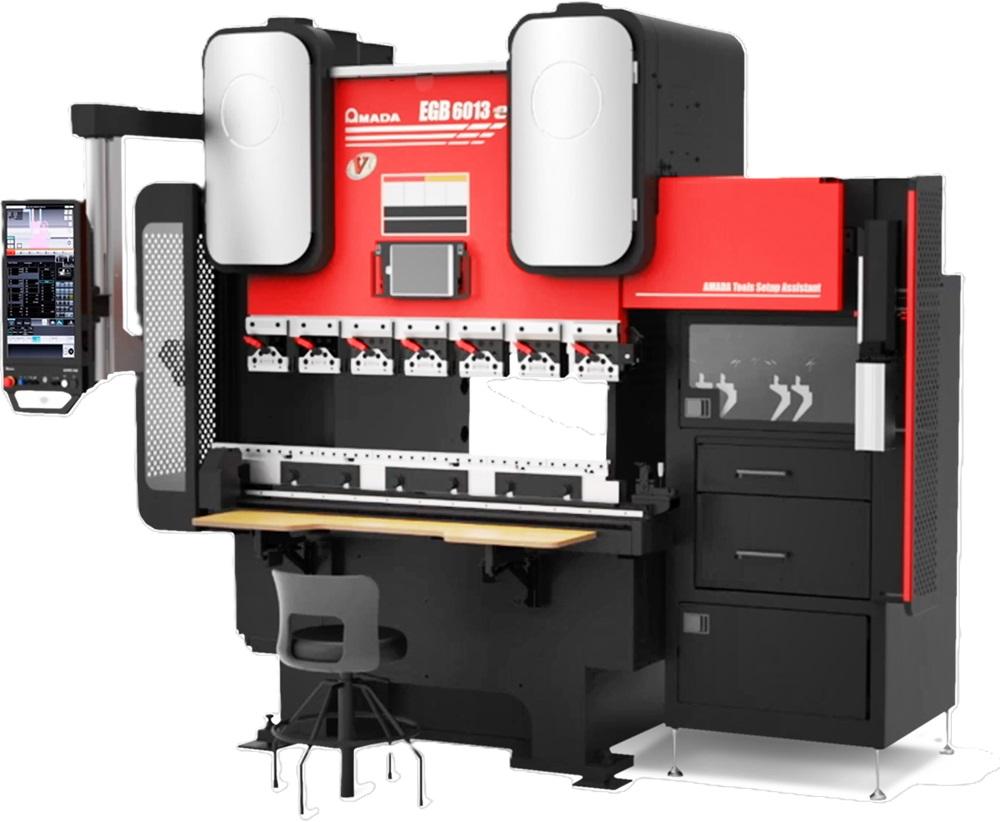
🏭 Key Components of Tooling Infrastructure
1. Tool Design Facilities
- CAD/CAM Software (e.g., SolidWorks, AutoCAD, CATIA, UG NX)
- Tool Simulation Tools for mold flow, sheet metal forming, etc.
- Reverse Engineering Tools (e.g., 3D scanners)
2. Tool Room Machinery
- CNC Milling Machines – for precision mold & die machining
- EDM (Electric Discharge Machines) – used for complex contours & hard materials
- Wire Cut Machines – for sharp edges, fine cuts in hardened tool steel
- Surface Grinders – for tight tolerances & finishing
- Lathes & Turning Centers
3. Fabrication & Assembly Units
- Fitted with jigs, fixtures, and die setups
- Cleanrooms for tool assembly (especially in electronics & medical industries)
4. Tool Maintenance Area
- Tool Storage Systems (climate-controlled to avoid rust)
- Preventive Maintenance Tools – for cleaning, polishing, reshaping
- Repair Stations for weld build-up and re-machining worn-out tool parts
5. Testing & Validation Systems
- Tryout Presses – to test sheet metal dies before production
- Injection Molding Machines – to validate plastic molds
- Coordinate Measuring Machines (CMM) – for precision tool verification
- Hardness Testers, Optical Comparators – for quality control